Why Soft Skills May Matter More Than Technical Skills in the Next 5 Years
Why Soft Skills May Matter More Than Technical Skills in the Next 5 Years
Technical skills get you started. Soft skills often decide how far you go.
This guide examines the debate, explains the six soft skills worth building first and shows how requirehire.com helps you measure and prove them with a skill-scored profile.
A note before you read
This guide is published by RequireHire's content team for students, freshers and working professionals who want to prepare for the next five years of work. Last updated November 2026. Nobody can forecast the future of work exactly, so this guide treats the title as a question worth debating, quotes no statistics and offers no guarantees. It argues for building both soft and technical skills, and it focuses on what you can control. To be clear about scope, requirehire.com is India's interview-first hiring platform with structured AI interviews, skill scores, mock interviews, aptitude practice and a resume check.
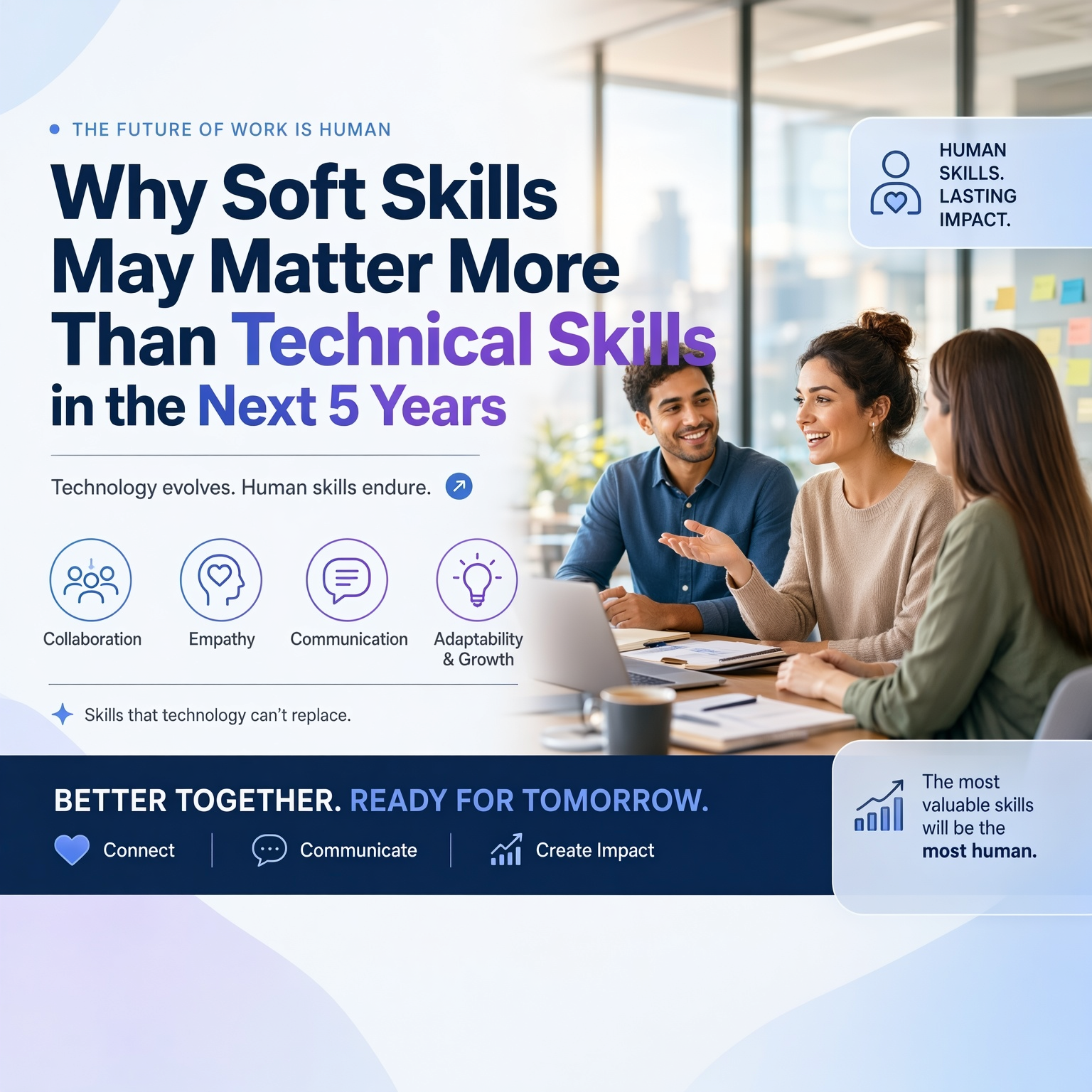
Why Is the Soft Skills Versus Technical Skills Debate So Heated?
Few career topics split opinion like this one. One group argues that technical skill is the only real currency, because it can be tested and used immediately. Another says that technical skills are becoming easier to acquire and automate, so the ability to communicate, collaborate and adapt will decide who thrives. Both groups can point to examples from their own experience.
Part of the disagreement comes from how people define the terms. Technical skills are the specific abilities needed to do a task, such as analysing data, writing code, preparing accounts or operating equipment. Soft skills are the broader abilities that shape how you work with others and with change, such as communication, problem-solving, collaboration and adaptability. In practice, the two are tangled together. A brilliant analysis that nobody understands has limited value.
The honest position is that both matter and that their balance shifts with the role and the era. As tools take over more routine technical steps, the human part of work, which includes judgment, explanation and trust, tends to become more visible. That is why many employers say they look closely at soft skills, even when the job description lists technical requirements first.
A more useful question is this: which soft skills would make my technical skills more valuable, and how could I show that I have them?
The gap this creates
Many people either dismiss soft skills as vague or neglect their technical base. Closing that gap means treating both as skills you can practise, measure and prove.
The Short Answer: Soft Skills May Become Stronger Differentiators, but the Strongest Candidates Build Both
Communication, problem-solving, collaboration, adaptability, emotional intelligence and ownership are likely to matter more as tools handle routine tasks. Technical depth still earns credibility, so the best plan is to grow both.
A structured AI interview scores technical ability, communication and problem-solving, so you can see where you stand on both sides and what to practise next.
The rest of this guide shows how, step by step, and where requirehire.com fits in.

What Is Actually Making Soft Skills So Hard to Build and Prove?
They feel vague
Terms such as communication or teamwork sound obvious, but without clear examples it is hard to know what good looks like or how to improve.
They are hard to show on paper
A resume can list a degree or a tool in one line, but showing how well you listen or lead takes a story and evidence.
Technical change creates fear
Rapid change in tools makes people rush after new technical courses, leaving little time to practise skills that last longer.
Most tests measure facts, not people skills
Exams and many screening tools reward recall, so the abilities that matter in teams rarely get measured or practised.
Debate this
Can soft skills really be taught, or are they mostly personality? Should employers weigh soft skills above technical test scores? Would you hire a brilliant specialist who communicates poorly?
Fix 1: How Do You Define Soft Skills Clearly Enough to Improve Them?
Start by making each soft skill concrete. Choose one skill, such as communication, and describe what good looks like in observable terms. For example: I explain a problem in plain words, I listen without interrupting, I confirm that the other person understood, and I follow up in writing. A skill described this way can be practised and checked.
Next, collect real examples from your own life. Use a simple pattern: the situation, what you did and what happened. A group project where you resolved a disagreement, a customer you helped, a presentation you improved after feedback, a mistake you owned and fixed. These small stories become your evidence, and they help you notice patterns in your strengths.
Then ask for honest feedback from two or three people who have seen you work. Ask specific questions: when did my explanation help most, and when was I unclear? Specific questions produce usable answers, while general ones produce polite replies. Finally, pick one skill to improve for the next month rather than trying to change everything at once.
Try this week
Choose one soft skill, write three observable signs of it and note one real example from the past six months.
Fix 2 and 3: How Do You Practise in Real Situations and Prove the Skills?
Soft skills improve through use. Volunteer to present in a meeting, offer to summarise a discussion in writing, mentor a junior colleague or classmate, or take the lead on a small task. After each situation, spend two minutes noting what went well and what you would change. Small, repeated practice beats occasional big efforts.
Then add proof. On requirehire.com, you can warm up with mock interviews and aptitude practice, then take a structured AI interview that evaluates technical ability, communication and problem-solving and produces a skill score. Because each candidate faces the same criteria, the score gives you a consistent baseline for two of the skills this guide discusses most. It is a starting point, not a verdict, and it shows what to practise next.
Make your proof discoverable. Employers browsing the ranked pool see an anonymised profile, and your contact details are shared only if you approve a request. That means your preparation can be noticed while you keep building skills, and you remain in control of who contacts you.
The combined effect
A clear definition of the skill, real situations to practise in and a measured score. Together they turn a vague quality into something you can improve and show.

Your First AI Interview Takes Minutes. The Clarity Lasts Much Longer.
Register on requirehire.com, upload your resume and take a structured AI interview to see your baseline skill score today.
It takes just a few minutes to start.
Take My First AI InterviewTechnical Skills vs Soft Skills: Which One Gets You Hired?
Technical skills
They show that you can do the work and are often the first thing a screen checks. They are specific, testable and necessary, but they can be learned by many people and may change as tools change.
Soft skills
They show how you will work with others, handle problems and adapt. They are harder to test, yet they often decide who is trusted with responsibility.
The honest verdict
Most roles need both, and the balance depends on the job. Technical skills can open the door, and soft skills often shape how far you go. Which one is your current limit?
Knowing the Answer vs Explaining It: Which Matters More at Work?
Knowing the answer
Deep knowledge is valuable, but if nobody else can follow or act on it, its impact stays small.
Explaining it
Turning knowledge into a clear message that colleagues can use multiplies its value. A skill score for communication shows how you explain under realistic conditions.
The honest verdict
Knowledge and explanation need each other. Is an expert who cannot explain still an expert in practice? People disagree, and it is worth forming your own view.
Stop Guessing How You Come Across. See Your Strengths Scored.
A structured AI interview evaluates technical ability, communication and problem-solving, so you know what to practise next.
See How Scoring Works
Individual Brilliance vs Team Contribution: Which Builds a Stronger Career?
Individual brilliance
Personal skill and effort matter, and standing out has value. Working alone, though, limits the size of problems you can tackle.
Team contribution
Sharing credit, listening and helping others succeed tends to earn trust and bigger responsibilities. Practice for these conversations is self-paced on requirehire.com, so there is nothing to book.
The honest verdict
Careers usually need both: strong individual work and good collaboration. Should workplaces reward stars or teams more? Opinions differ, so prepare to work well in either culture.
Claiming Soft Skills vs Showing Them With Evidence
Claiming them
Writing excellent communicator or team player on a resume costs nothing, so readers treat such phrases with caution.
Showing them
A short story with a result, a reference or a score from structured practice. A skill-scored profile can be found by employers browsing a ranked pool, with contact details shared only after you approve.
The honest verdict
Evidence beats adjectives. Would you trust a score more than a claim on a resume, or the other way round?

Six Soft Skills Worth Building First, and What Each Looks Like at Work
Communication
Explaining ideas clearly in speech and writing, and listening well. Rewards clarity, brevity and empathy for the listener.
Problem-Solving
Breaking an unclear problem into parts, weighing options and choosing a sensible step. Rewards curiosity and structured thinking.
Collaboration
Working with different people towards shared goals, sharing credit and resolving disagreements calmly.
Adaptability
Learning quickly, adjusting to new tools and situations, and staying useful when plans change.
Emotional Intelligence
Noticing how others feel, managing your own reactions and responding with respect, especially under pressure.
Ownership
Taking responsibility for results, admitting mistakes and following through without being chased.
This list is a starting point, not a ranking. Roles value these skills differently, so check current listings for the field you want.
What RequireHire Gives You to Build and Prove Your Skills
Structured AI interview scoring: your answers are evaluated for technical ability, communication and problem-solving, so you can see exactly where to improve.
Mock interviews and aptitude practice: rehearse explaining your thinking aloud and test your reasoning under realistic conditions.
One-time profile and resume check: build your profile from a single resume upload, then use the resume check to turn your experiences into clear, evidence-based lines.
A visible, skill-scored profile: employers browsing a ranked pool can discover you for the skills you can demonstrate.
Consent-based privacy: employers see an anonymised profile, and your contact details are shared only after you approve.
Practise Today. Be Discoverable Tomorrow.
Employers browse ranked candidate pools on requirehire.com. Your skill-scored profile can be there, with contact details shared only after you approve.
Register on RequireHire
Which Mistakes Do People Make When Building Soft Skills?
Treating them as personality
Believing you either have them or you do not stops you from practising. Most of these skills respond to deliberate effort.
Listing them without evidence
Adjectives on a resume carry little weight. Use short stories with results, and let a score or a reference back them up.
Neglecting technical basics
Soft skills need substance to support. Keep building the technical depth that your field requires.
Treating a score or a setback as a verdict
A score is a starting point and a setback is information, not a judgement of you. Use both to choose what to practise next, and ignore anyone who promises guaranteed results.
The "Soft Skills Are Just Personality" Myth
It is a common belief: some people are natural communicators and the rest cannot change. The belief is understandable, because confident people seem to be born that way.
What this misses
Personality influences style, but skills such as listening, explaining, planning a conversation, giving feedback and resolving conflict can be practised and improved, much like technical skills. Quiet people can be excellent communicators, and outgoing people can still learn to listen. The practical lesson is to describe the skill in observable terms, practise it in real situations, seek honest feedback and measure progress. Hiring and selection decisions always belong to the organisations that make them.
What Actually Changes When You Treat Soft Skills as Skills?
Imagine two colleagues with similar technical ability. One assumes soft skills are a matter of personality and spends all spare time on new technical courses. The other chooses one soft skill each quarter, practises it in real situations, asks for feedback and checks a skill score. After a year, the second colleague explains ideas more clearly, handles disagreements more calmly and has stories and evidence to show. Neither has a guarantee, but one is clearly more rounded.
Treating soft skills as skills also changes how you feel about them. Instead of hoping you are good at them, you can see small improvements and build on them.
The shift, in plain terms
Before: vague ideas about people skills and a resume of adjectives. After: clear definitions, real examples, steady practice, a baseline skill score and a profile that employers can find. None of this promises a job. It gives you a steadier way to grow.
What Does a Well-Rounded Skill Profile Look Like?
Technical depth, enough to do and check the work in your field.
Three or four real stories, each showing a soft skill, an action and a result.
A baseline skill score, so you know your starting point and your next focus.
A current resume and profile, so employers can see your evidence.
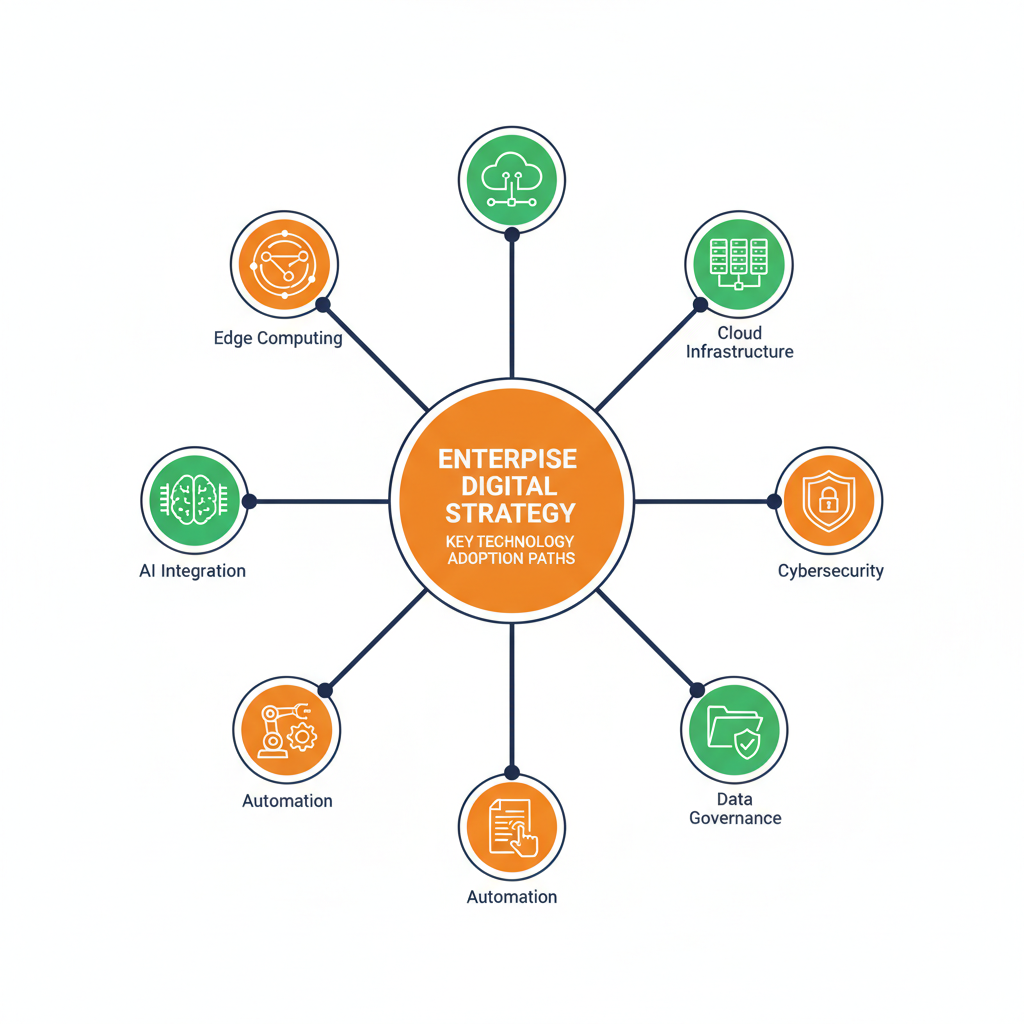
Your Starting Point, by Situation
Student
Join group projects, practise presenting and take a baseline AI interview early so you know your strengths before you graduate.
Fresher
Ask for feedback from your manager, volunteer for tasks that need communication and track your improvement with retests.
Working professional
Choose one soft skill that would lift your next promotion, practise it deliberately and collect examples of results.
Team lead or manager
Model the skills you want from others, give specific feedback and keep a scored profile current for new opportunities.
Your Soft Skills Readiness Score
Tick everything that is true for you right now, then calculate your score.

This Guide, in Numbers
Your Strengths Deserve a Clearer Starting Point
Register once on requirehire.com to see how AI interviews and skill scoring work for your own profile.
Turning This Into a Plan: Before, During, After
Do: Choose one skill and define it
A clear, observable description makes progress measurable.
Don't: Try to change everything at once
One focus per month is easier to sustain.
Do: Practise in real situations and ask for feedback
Real situations and honest feedback turn knowledge into skill.
Don't: Wait for the perfect moment
Small, imperfect practice beats waiting.
Do: Retest and record your new examples
A fresh score and new stories show your progress.
Don't: Neglect your technical base
Soft skills need substance, so keep both growing.

Your Final Checklist
You have chosen one soft skill and described what good looks like.
You have real examples and honest feedback from people who have seen you work.
You have a baseline skill score and know your strongest and weakest areas.
Your resume and profile are current and show evidence rather than adjectives.
You know exactly how your contact details are shared with employers.
10 Questions People Actually Ask About Soft Skills and Technical Skills

Lasting Careers Are Rarely Luck. They Are Built on Skills You Can Practise and Prove.
You now have a plan: define one soft skill, practise it in real situations, keep your technical base strong and prove your progress with a skill score. Register on requirehire.com, take your first AI interview and start making your strengths visible. It takes only a few minutes to begin.
Your contact details stay hidden until you approve a request.
Ready to Practice What You Learned?
Take a free AI mock interview and get your skill score in 15 minutes. 100% free for all candidates.
Related Posts
Practice Your Interview
Get ready for your next interview with our AI-powered mock interview tool.
Start Practice Interview